Programa por pertoCommunityColognePasseie por Colônia com o “Zero Waste” SchweifPasseie por Colônia com o “Zero Waste” Schweif Pegue o livreto do Schweif e chame de um a quatro amigos; depois, passeie pelo seu bairro realizando pequenas tarefas que ajudam a identificar lixo, reutilização e recursos nas ruas do dia a dia. Sem guia turístico: você define o ritmo. Como funciona - Pegue um livreto em cafés parceiros, lojas “unverpackt” ou nos pontos de informação “Zero Waste” de Colônia (os horários variam de acordo com o local). - Resolva os questionários e siga as sugestões de observação criados em Colônia, que podem ser usados em qualquer bairro urbano. - Informações adicionais opcionais na página do projeto, depois que você mesmo tiver experimentado os enigmas. Por que isso é importante Colônia queima cerca de 2.000 toneladas de lixo por dia; o “Schweif” transforma esse número abstrato em curiosidade sobre o que jogamos fora e o que poderia permanecer no ciclo de vida.walkingeducationlocal
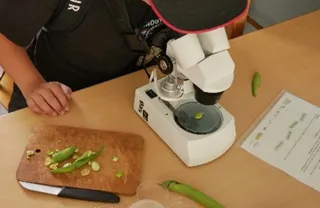
Programa por pertoCommunityFrankfurtReserve uma manhã escolar Heldenbohne em FrankfurtReserve uma manhã escolar Heldenbohne em Frankfurt Umweltlernen em Frankfurt oferece a Lernwerkstatt Heldenbohne para os anos 7 a 10: feijão, ervilha e lentilha como comida do clima, biodiversidade e escolha cotidiana. As sessões acontecem no stadtRAUMfrankfurt durante a semana Foodtura. Grupos de jardim de infância e ensino fundamental podem reservar piqueniques de maçã ou caminhadas pelo Ginnheim comestível com Klimawerkstatt. O que você pode fazer - Professoras e professores: escreva para kirsten.allendorf@stadt-frankfurt.de para reservar uma manhã Heldenbohne gratuita (prazo 1º de setembro de 2026; datas restantes de 17 a 23 de setembro) - Leia a listagem Heldenbohne - Para crianças menores, pergunte à Klimawerkstatt sobre Apfelpicknick ou Essbares Ginnheim (com hora marcada) - Adultos ainda podem provar leguminosas de Hessen em Heldenbohne x Freitagsküche Como funciona Os formatos escolares são gratuitos e reservados como turma, não como chegada espontânea. Confirme vagas restantes com Umweltlernen. Por que importa Uma manhã numa cozinha de verdade vale mais que uma ficha sobre dietas climáticas.educationschoolpulses +2
Programa por pertoCommunityKievZaporizhzhia: programa comunitário “Desperdício Zero”: podcast, oficinas, planos locaisConstruindo uma cultura de desperdício zero em uma cidade próxima à linha de frente Zero Waste Zaporizhzhia: membro da Aliança “Zero Waste” da Ucrânia; promove os princípios do desperdício zero na comunidade de Zaporizhzhia por meio de planos locais de gestão de resíduos, oficinas de reutilização e reparo, um podcast e ações educativas nas redes sociais. O programa continua deliberadamente a desenvolver competências e cultura em uma cidade que enfrenta graves perturbações, demonstrando que o trabalho em prol do desperdício zero prossegue mesmo em condições de guerra. O que o programa abrange - Planos locais e regionais de gestão de resíduos desenvolvidos e apresentados às autoridades - Oficinas de reutilização e reparo abertas aos moradores: desenvolvimento de habilidades práticas em consertar, reparar e dar novo uso a objetos - Um podcast voltado aos moradores de Zaporizhzhia com conteúdo sobre desperdício zero adaptado ao contexto local - Campanhas de educação nas redes sociais adaptadas às necessidades da comunidade durante o conflito em andamento Como participar - Moradores de Zaporizhzhia: sigam Zero Waste Zaporizhzhia nas redes sociais e participem das oficinas quando elas forem realizadas com segurança - Redes internacionais de desperdício zero: divulguem o trabalho da Zero Waste Zaporizhzhia: visibilidade e solidariedade são importantes para uma equipe que trabalha em condições difíceis - Ouvintes do podcast: encontrem e compartilhem o podcast da Zero Waste Zaporizhzhia para ampliar seu alcance Por que isso é importante A cultura do lixo zero não pode esperar pela paz. Oficinas, podcasts e planos locais mantêm vivas as habilidades de reparo e reutilização em Zaporizhzhia, mostrando que o trabalho comunitário com resíduos persiste mesmo quando as cidades passam por graves perturbações.educationpodcastworkshops +2
Programa por pertoCommunitySofiaBulgária: guia de eventos com desperdício zero para empresas e organizadoresUm guia prático para tornar os eventos sustentáveis a escolha mais fácil A Za Zemiata publicou um guia prático para eventos sem desperdício, oferecendo orientações concretas sobre como organizar eventos com baixo volume de resíduos ou sem resíduos: abrangendo serviços de bufê, embalagens, projeto de estações de triagem de lixo, voluntariado e relatórios pós-evento. O guia foi bem recebido tanto por parceiros comerciais quanto pela sociedade civil, posicionando a redução de resíduos como uma vantagem competitiva, e não como uma obrigação. O que o guia abrange - Instruções passo a passo para organizadores de eventos: gestão de resíduos antes, durante e após o evento - Lista de verificação para fornecedores de catering sobre alternativas ao plástico descartável e sistemas reutilizáveis - Modelos de layout de pontos de coleta de resíduos otimizados para eventos de diferentes tamanhos - Modelos de comunicação para informar aos participantes o que eles podem fazer - Estudos de caso de eventos búlgaros que já adotaram práticas de desperdício zero Como participar - Organizadores de eventos na Bulgária: baixem o guia no site Za Zemiata e compartilhem-no com seus parceiros de catering e locais de evento - Empresas que realizam eventos corporativos: utilizem o guia como ponto de partida para seus compromissos de sustentabilidade - Municípios que planejam eventos públicos: entrem em contato com a Za Zemiata para obter apoio personalizado na aplicação do guia a contextos locais específicos Por que isso é importante Festivais e encontros corporativos geram uma concentração de resíduos em um único fim de semana. Um guia prático reduz as barreiras para os organizadores que desejam melhorar, transformando o “desperdício zero” de um compromisso de nicho em algo que qualquer local possa planejar.eventseducationreuse +2
Programa por pertoCommunityNicosiaChipre: certificação “festival sem desperdício”: liderando por meio de eventosFestivais procuram a Friends of the Earth Cyprus em busca de orientações sobre o conceito “desperdício zero” Vários festivais cipriotas estão proativamente procurando a Friends of the Earth Cyprus em busca de orientações sobre a redução de resíduos: um sinal de que o setor de eventos está se antecipando à regulamentação. A FoE Chipre desenvolveu um processo de certificação “desperdício zero” para festivais que abrange a redução do uso de plástico, a análise do fluxo de resíduos, sistemas de reutilização e relatórios pós-evento. O que o processo de certificação abrange - Pré-evento: auditoria de resíduos, requisitos para fornecedores, projeto de sistemas de reutilização - Durante o evento: posicionamento de pontos de coleta de resíduos, orientação sobre triagem para funcionários e voluntários, coleta de dados - Pós-evento: revisão da auditoria de resíduos e relatórios públicos - A certificação é concedida quando o evento atinge os parâmetros mínimos de redução de resíduos Como participar - Organizadores de festivais e eventos em Chipre: entrem em contato com a Friends of the Earth Cyprus para iniciar o processo de certificação “zero resíduos” para o seu evento - Participantes: procurem o selo de certificação “desperdício zero” da FoE Chipre nos eventos e enviem feedback aos organizadores que ainda não o possuam - Municípios: sediar eventos certificados como “desperdício zero” em áreas públicas estabelece um padrão visível e estimula o interesse da comunidade por políticas mais abrangentes Por que isso é importante A certificação voluntária cria pioneiros antes da regulamentação do sistema PAYT. Quando o PAYT eventualmente chegar a Chipre, os municípios e organizadores de eventos que já tiverem desenvolvido esses hábitos se adaptarão mais rapidamente e liderarão os demais.eventscertificationfestivals +2
Programa por pertoFood & GardenWarsaw#ForkToFarm Polônia: melhorando a coleta de resíduos orgânicos em três municípiosUma campanha que transforma a compostagem de uma boa ideia em um hábito diário A Associação Polonesa “Zero Waste” participa da campanha #ForkToFarm, promovida pela Zero Waste Europe, trabalhando em parceria com três municípios poloneses para melhorar as taxas de coleta de resíduos orgânicos. A campanha combina infraestrutura prática (caixas de lixo, serviços de coleta) com a educação dos moradores para que os resíduos orgânicos de cozinha sejam retirados da lixeira mista e encaminhados para o fluxo de compostagem. O que a campanha envolve - Trabalhar com os três municípios participantes para avaliar as práticas atuais de gestão de resíduos orgânicos - Distribuir caixas de compostagem e fornecer orientações de instalação às famílias - Realizar campanhas de conscientização explicando o que se considera resíduo orgânico e como fazer compostagem corretamente - Documentar os resultados para que os três municípios possam se tornar casos de referência para outras cidades polonesas Como participar - Moradores da Polônia: verifiquem se o seu município participa da #ForkToFarm e solicitem uma lixeira para resíduos orgânicos, caso ainda não tenham uma - Municípios: inscrevam-se na próxima turma do #ForkToFarm através da Zero Waste Europe ou entrem em contato com a Associação Polonesa Zero Waste para obter apoio ao programa nacional - Professores e líderes comunitários: realizem uma oficina sobre resíduos orgânicos utilizando os materiais do #ForkToFarm: a Associação Zero Waste pode fornecer recursos em polonês Por que isso é importante Os restos de cozinha são a fração mais fácil de separar, mas ainda assim continuam enchendo as lixeiras mistas por toda a Polônia. Três municípios testando o #ForkToFarm em conjunto podem mostrar aos vizinhos que a compostagem é um hábito diário, e não uma novidade experimental.compostingbio-wasteForkToFarm +2
Programa por pertoCommunitySofiaEcoObshtina: Concurso nacional de municípios “desperdício zero” da BulgáriaO concurso que elevou o nível de exigência para os governos locais búlgaros O concurso EcoObshtina (Município Ecológico) é o maior prêmio anual da Bulgária para municípios sustentáveis, organizado em parceria com a Embaixada da França. A Za Zemiata define seus critérios de avaliação de forma a priorizar resultados mensuráveis na redução de resíduos: garantindo que o concurso premie programas com impacto real, em vez de meras ações de “greenwashing”. Em 2024, tanto Svilengrad quanto Gabrovo receberam o prêmio EcoMunicípio, aumentando a visibilidade das soluções de lixo zero no âmbito dos ministérios nacionais e da Associação Nacional de Municípios. O que o EcoObshtina faz pelo lixo zero - Critérios de avaliação elaborados pela Za Zemiata para premiar taxas de separação na fonte, implementação do sistema PAYT e engajamento da comunidade em vez de compromissos menos mensuráveis - As cerimônias de premiação proporcionam cobertura da mídia que amplifica as histórias de sucesso do lixo zero em nível nacional - A parceria com a Embaixada da França traz credibilidade internacional e análises comparativas - Os municípios vencedores tornam-se casos de referência para outras autoridades locais estudarem Como participar - Municípios búlgaros: inscrevam-se para o próximo ciclo do EcoObshtina: acompanhem a Za Zemiata para saber os prazos e critérios de inscrição - Grupos comunitários: indiquem seu município para o reconhecimento do EcoObshtina e documentem os programas de gestão de resíduos que ele implementa - Defensores de políticas públicas: utilizem os resultados do concurso para destacar e elogiar os municípios que estão na vanguarda; e questionem o Ministério sobre por que a política nacional ainda não acompanhou as práticas locais Por que isso é importante Prêmios nacionais transformam as conquistas locais em matéria de lixo zero em histórias que ministros e prefeitos vizinhos não podem ignorar. Quando Svilengrad e Gabrovo receberam o prêmio EcoMunicipality em 2024, eles deram a todas as prefeituras búlgaras um parâmetro de referência visível e um motivo para almejar algo além do greenwashing.advocacyawardspolicy +2
Programa por pertoCommunityViennaGraz “(Zero) Desperdício na Cidade?”: diálogo cívico entre ativismo e agenda urbanaUm painel que trouxe o conceito de desperdício zero para o debate político Em setembro de 2024, a Zero Waste Áustria participou de um painel de discussão em Graz: “(Desperdício) Zero na Cidade? Entre o ativismo e a agenda urbana”, organizado pela rede de pesquisa Waste in Motion (WiM). O painel reuniu especialistas da WiM, representantes da cidade de Graz, d Zero WasteÁustria e Katja Sres, da Ekologi Brez Meja (Eslovênia): uma das organizações-Zero Wastes mais fortes da Europa. O formato foi concebido para ser replicável em outras cidades austríacas. O que o formato do painel de discussão oferece - Um diálogo estruturado entre defensores do desperdício zero, pesquisadores e autoridades municipais - Aprendizado transfronteiriço: a experiência da Eslovênia, por meio da Ekologi Brez Meja, acrescenta uma dimensão de melhores práticas da UE - Um registro público de que o desperdício zero é uma parte legítima do discurso sobre políticas urbanas em Graz - Um modelo que outras cidades austríacas podem utilizar para realizar painéis semelhantes com o envolvimento da Câmara Municipal Como participar - Municípios e instituições de pesquisa austríacos: entrem em contato com a Zero Waste Áustria ou com a rede de pesquisa “Waste in Motion” para organizar um painel semelhante em sua cidade - Ativistas e sociedade civil: utilizem o formato de Graz como modelo para se conectar com pesquisadores locais e autoridades municipais: a rede de pesquisa confere legitimidade acadêmica - Estudantes e acadêmicos: envolvam-se com a rede Waste in Motion e conectem os estudos sobre o “desperdício zero” à defesa de políticas locais Por que isso é importante O movimento “desperdício zero” precisa de um lugar à mesa das discussões sobre políticas urbanas, não apenas de protestos do lado de fora. O painel de Graz reuniu defensores, pesquisadores e autoridades municipais em um mesmo espaço, um formato replicável para transformar o ativismo em agenda municipal.advocacyeducationpolicy +2
Programa por pertoFood & GardenVilniusGarden with Miesto laboratorija in VilniusGarden with Miesto laboratorija in Vilnius Miesto laboratorija cuida de um jardim educativo e clube em Antakalnis. Vizinhos aprendem solo e compartilham conversas de colheita. O que você pode fazer - Visite miestolaboratorija.lt para eventos - Pergunte sobre ML SODO klubas ou sessoes abertas de jardim - Va a Antakalnio g. 17-13 quando houver horario publico Como funciona O centro mistura cafe, eventos e jardim. Confirme horarios abertos antes de ir. Por que importa Vilnius ganha um laboratorio de bairro onde aprendizado e alface dividem o quintal.vilniusgardeneducation +1
Programa por pertoCommunityBrasiliaEstabelecer conexões com as periferias por meio do projeto “Diálogos com Territórios”Conectando as periferias por meio do “Diálogos com Territórios” Diálogos com Territórios é o programa de inclusão d SESI, que conecta o museu a grupos culturais e organizações sociais das periferias de Brasília. As residências combinam habilidades de criação, trabalho audiovisual, empreendedorismo, acessibilidade e educação ambiental para que as comunidades cocriem a cultura científica, em vez de apenas recebê-la. O que você pode fazer - Acompanhe a programação do SESI Lab e as notícias sobre mostras abertas, oficinas e editais relacionados ao Diálogos - Acompanhe os programas educacionais do SESI Lab se seu coletivo atua com jovens, cultura, acessibilidade ou educação ambiental - Participe das apresentações públicas gratuitas ao final das residências (ciclos anteriores produziram jogos, protótipos, publicações e performances) - Entre em contato com organizações parceiras (a cobertura cita grupos como Jovem de Expressão e Casa Akotirene) por meio da equipe de educação do museu Como funciona Grupos selecionados da DF participam de residências com orientação, com dezenas de horas de formação, e depois compartilham os resultados com o público. Os ciclos são periódicos; portanto, encare cada data de encerramento como uma janela para um programa contínuo, e não como um festival único com ingressos. Por que isso importa As decisões sobre clima e energia afetam mais fortemente as periferias da cidade. Um museu que conduz sua educação ambiental com esses bairros, e não apenas sobre eles, é a forma pela qual a cultura científica deixa de ser um privilégio do centro da cidade.inclusionresidencyculture +2
Programa por pertoCommunityBrasiliaOrganize o Laboratório Itinerante “SESI” na sua regiãoReceba o Laboratório Itinerante “SESI” perto de você O Laboratório Itinerante SESI conta com cerca de dez dispositivos interativos, além de uma área para oficinas, para que a experiência do museu possa percorrer o Distrito Federal e outros estados brasileiros. Escolas e parceiros locais podem solicitar o kit e incluir capacitação de professores adaptada às necessidades locais, e tudo o que o museu produz é disponibilizado em um acervo digital gratuito. O que você pode fazer - Explore as exposições itinerantes e oficinas no acervo Itinerante - Pergunte à sua rede escolar, à secretaria municipal de cultura ou a uma unidade regional d SESI como sediar uma parada - Recrie as atividades das oficinas (crachás luminosos, carrinhos a motor, insetos elétricos, massa condutora) em sala de aula, usando os tutoriais publicados - Realize a exposição digital gratuita BioOCAnomia Amazônica com os alunos: ela coloca a bioeconomia, a conservação da biodiversidade e a redução dos impactos das mudanças climáticas no centro do desenvolvimento amazônico Como funciona O conjunto itinerante traz uma amostra da exposição de longa duração e do programa de ações educacionais. Os anfitriões negociam datas e treinamento com o Laboratório d SESI, portanto não há um endereço fixo, já que o local muda. O acervo digital permanece aberto a qualquer pessoa com conexão à internet, sem nenhum custo. Por que isso é importante A ciência investigativa não deve parar na Rodoviária. Um laboratório itinerante, aliado a um acervo aberto, permite que uma sala de aula distante tenha contato com os mesmos fenômenos e reutilize a mesma aula que as galerias da Esplanada.itinerantschoolseducation +2
Programa por pertoCommunitySkiathosTurismo costeiro sem desperdício: como os barcos de passeio podem proteger praias remotasSkiathos mostra que as operadoras turísticas podem dar o exemplo na questão dos resíduos O programa Rota Zero Waste, desenvolvido pela ECOREC e pela Prefeitura de Skiathos, capacita operadores de barcos de passeio para educar ativamente os turistas sobre o descarte adequado de resíduos: inclusive em praias remotas que são inacessíveis por estrada e, portanto, carecem de infraestrutura de coleta. O programa aumentou significativamente as taxas de reciclagem na ilha e promoveu uma cultura de responsabilidade ambiental entre os visitantes. O que o programa envolve - Os operadores de barcos de passeio recebem treinamento sobre separação de resíduos e comunicação com os hóspedes - Os turistas são orientados a bordo, antes de chegarem às praias remotas, sobre o que fazer com embalagens e materiais recicláveis - Os operadores levam os resíduos separados de volta ao porto para coleta: protegendo praias que não podem ser atendidas por veículos convencionais - A abordagem é adaptável a qualquer ilha com uma economia baseada em passeios de barco Por que isso é importante As ilhas do Mar Egeu, na Grécia, enfrentam um intenso volume sazonal de resíduos provenientes do turismo marítimo. A regulamentação por si só não consegue alcançar um barco no mar ou uma praia acessível apenas por trilhas. O modelo de Skiathos mostra que a educação e o comprometimento dos operadores podem fazer o que a infraestrutura não consegue, e ele é diretamente replicável em qualquer ilha com uma economia semelhante baseada em barcos turísticos. Como replicá-lo - Se você opera ou aluga barcos no Mar Egeu, entre em contato com a ECOREC para obter informações sobre o treinamento da Rot Zero Waste - Se você visitar ilhas gregas em passeios de barco diurnos, pergunte se a operadora segue as práticas da Rota Zero Waste e, caso não siga, solicite que o faça - Os responsáveis municipais pela gestão de resíduos em outras ilhas podem usar o programa de Skiathos como modelo para propostas de financiamento junto ao ERIC ou a órgãos nacionaiscoastaltourismrecycling +2