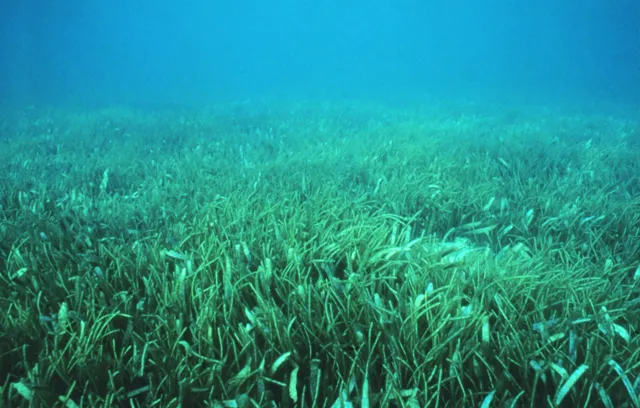
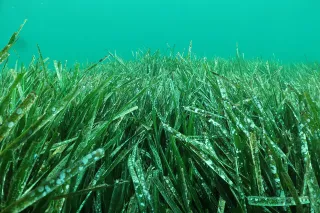
Programm in der NäheRewildingBarcelonaSeegraswiesen mit Posidonia-Ausläufern anlegenHelfen Sie mit, die Seegraswiesen im Mittelmeer wiederherzustellen Posidonia oceanica-Wiesen dienen als Kinderstube für Fische, dämpfen die Wellen und binden Kohlenstoff entlang der spanischen und italienischen Küsten. Freiwilligenprogramme zum Anpflanzen und zur Überwachung laden die Anwohner dazu ein, die Unterwasserwiesen Bucht für Bucht wiederherzustellen. Was Sie tun können - Nehmen Sie an den Citizen-Science- und Renaturierungsaktionen von GreenLife4Seas entlang der katalanischen und apulischen Küste teil - Lernen Sie sichere Pflanztechniken bei lokalen Tauchvereinen und Meeresbiologen - Kartieren Sie die Ränder der Wiesen und melden Sie Ankerschäden an die Hafenverwaltungen So funktioniert es Die Teams koordinieren saisonale Pflanzzeitfenster, wenn das Wasser klar ist. Freiwillige mit Schnorchel- oder Tauchschein pflanzen Setzlinge in markierten Parzellen und kehren später zurück, um den Erholungsprozess zu fotografieren. Warum es wichtig ist Seegraswiesen sind lebende Wellenbrecher: Sie schützen Strände, sichern die Fischbestände und halten das Wasser klar für alle, die in der Nähe schwimmen.seagrassrestorationmediterranean +1
Programm in der NäheRewildingRomeBeobachten Sie als Bürgerwissenschaftler den Zustand von SeegrasSchnorcheln für die Wissenschaft an den italienischen Küsten GreenLife4Seas schult Anwohner darin, die Seegrasbedeckung zu fotografieren, Ankerkratzer zu dokumentieren und Beobachtungen aus Buchten in der Nähe von Rom und Neapel hochzuladen. Was Sie tun können - Melden Sie sich für Citizen-Science-Module auf dem GreenLife4Seas-Portal an - Übernehmen Sie die Patenschaft für eine Bucht: Monatliche Fotos vom selben GPS-Punkt erstellen eine öffentliche Zeitleiste der Seegraswiesen - Veranstalten Sie einen Vortrag am Ufer, damit Fischer und Schwimmer erfahren, warum Ankerbojen wichtig sind So funktioniert es Sie erhalten eine einfache Feldkarte: Tiefe, Sichtweite, Wiesenrand und Schiffsverkehr. Die hochgeladenen Daten fließen in Karten ein, anhand derer Hafenmeister Ankerzonen verlegen. Warum das wichtig ist Wenn Anwohner die Seegraswiesen vermessen, wird der Schutz greifbar: Jeder sieht schon nach einem einzigen Sommer der Pflege, wie sich die Wiesen erholen.citizen scienceseagrassmonitoring +1